

Journal · 24 June 2025
The Real Time Behind the Ceramic Process — And Why It Affects the Price of Each Piece
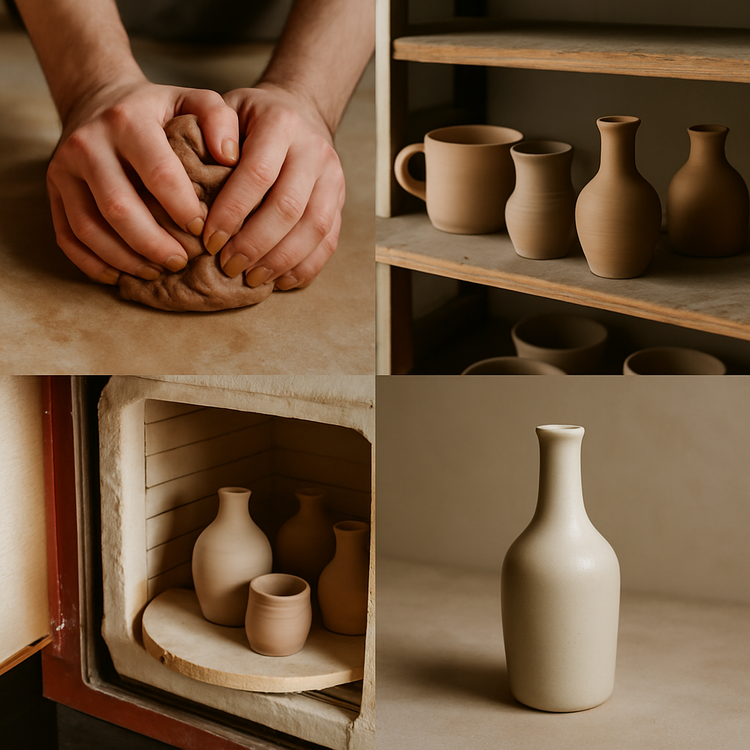
When you buy a handmade ceramic piece, you’re getting much more than a beautiful object:
You’re buying time, attention, patience, and a part of the maker.
🟤 Clay preparation
Before shaping even begins, the clay has to be properly wedged and prepared. This ensures there are no air bubbles or impurities that could damage the piece later.
It’s a few minutes of physical work you don’t see—but they matter.
🟤 Creating the piece
This is the moment the piece is born. It may seem brief, but it takes years of experience to shape it with precision.
It doesn’t always work the first time—sometimes it needs to be redone, adjusted, or simply allowed to emerge slowly through the process itself.
🟤 Drying time
And now, the waiting begins. Each piece must dry slowly and gradually to avoid cracking.
Depending on the size, weather, and humidity, this can take several days. It’s a time for patience—and it can’t be rushed.
🟤 First firing (bisque)
Once dry, the piece goes into the kiln for its first firing. This takes several hours (usually 8 to 12), followed by another 12 to 24 hours of slow cooling inside the kiln.
🟤 Decoration and glazing
After the bisque firing, comes the decoration: with glazes or slips.
This requires focus, precision, and deep technical knowledge to achieve the intended finish.
It’s another delicate step that takes time and can’t be rushed.
🟤 Second firing (glaze firing)
Once decorated, the piece returns to the kiln. Again, many hours of intense heat (6 to 10), followed by a slow cooling process that protects the final result.
🟤 Why do two pieces have different prices?
Even when the process is the same, not every piece asks for the same things:
Size. More clay, more time on the wheel or modelling, more space in the kiln and a higher risk of cracking while drying.
Technique. A wheel-thrown bottle and a hand-modelled bust don’t take the same work.
Glazes. Some finishes, such as crystalline glazes, need a very carefully controlled firing and don’t always work the first time.
The pieces that don’t make it. Some crack, warp or come out of the kiln with a flaw. That time is also part of the price of the ones that do.
One of a kind. A piece that is never repeated can’t spread its testing and design time across many copies.
If you’re interested in a particular piece, write to me and I’ll tell you more.
🟤 So, what are you really paying for?
High-quality materials
Time invested and energy used in every firing
Knowledge, technique, and experience
Patience and care at every stage of the process
A handmade ceramic piece isn’t just an object:
It’s the visible result of many invisible hours.
That’s why it holds the value it does—because it’s not just clay, it’s time turned into something you can touch, use, and admire.
Thank you for valuing and understanding what’s behind it.
More from the journal
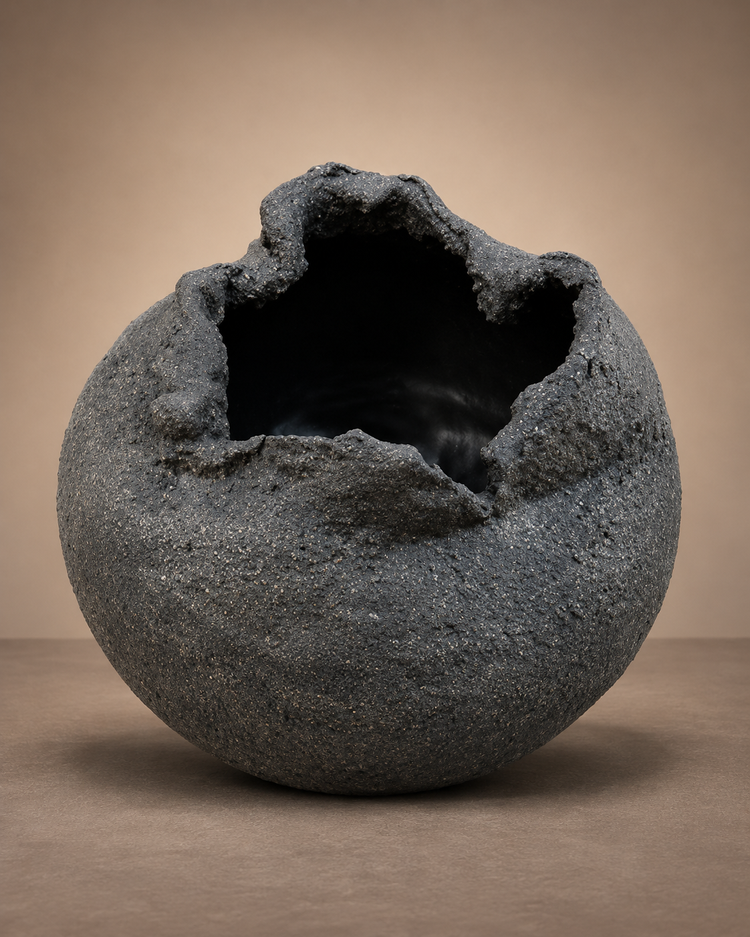
When does a vase stop being a vase and become art?
27 November 2026
An empty vase is still a vase; what changes is what we see in it. From Picasso to Grayson Perry, and one piece from the studio that lives on that border.
Read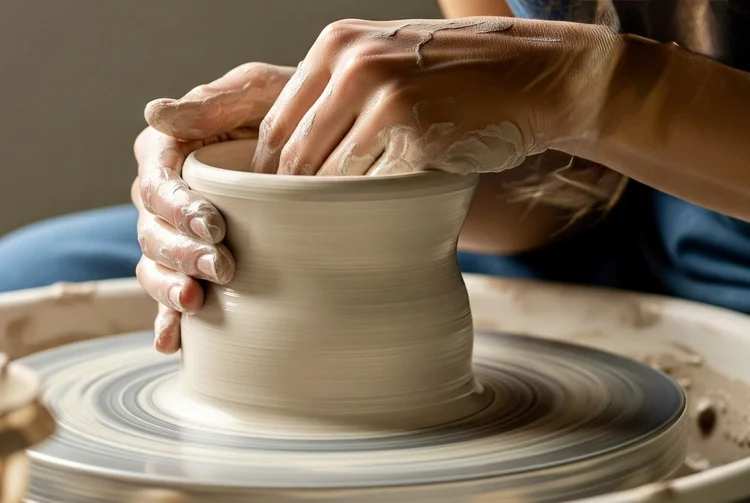
The wheel doesn’t seek perfect symmetry—it seeks presence
18 July 2025
People often think that working on the wheel is about making perfect pieces. Symmetrical. Flawless. But those of us who live the process from the inside know there’s…
Read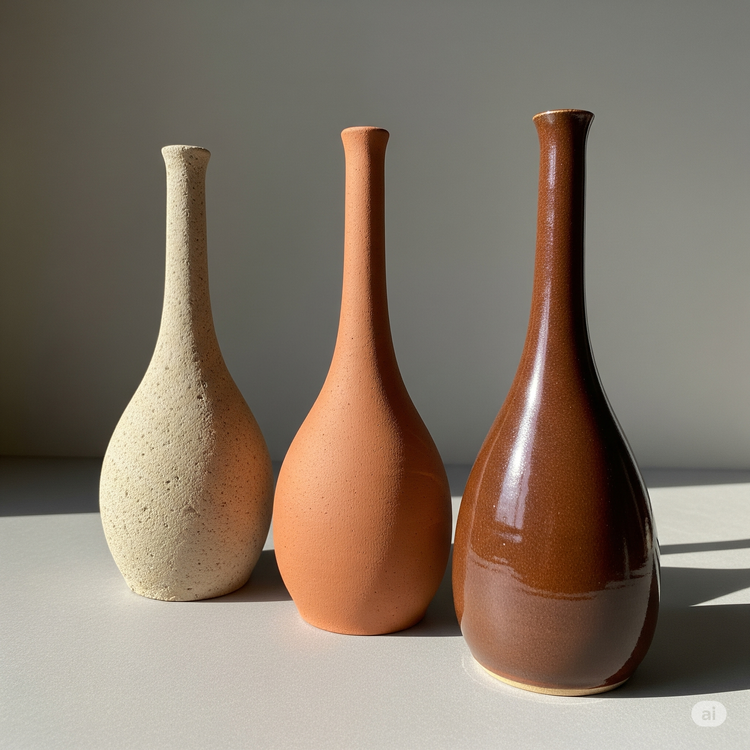
Tips to Care for Your Pieces
23 June 2025
Every handmade ceramic piece has its own story, texture, and way of being in the world. Some are functional, others sculptural, others simply invite you to look—or…
ReadWould you like to see the pieces?